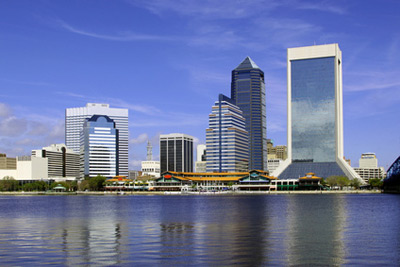
Delray Beach and Boca Raton Real Estate and Homes for Sale

Watch as Jeff and Dave, the founders of YourDelrayBoca.com, give you their take on the local real estate market:

There is no more dynamic real estate market in the U.S. than Boca-Delray.

From oceanfront mansions and historic homes to picturesque country clubs and subdivisions the market is vibrant, the choices are endless and the neighborhoods varied depending on age range, price and taste. The area features everything from old Florida to the most modern downtown condo’s and townhomes.

You are sure to find exactly what you want in these two world-class cities.

Buying or selling in the Delray-Boca area and need a recommendation? We can help. Learn more here.

Water Cooler Wednesday: Design & Use

Vibrant, fun and beautiful. Our Delray

Vibrant, fun and beautiful. Our Delray

In the 90s, Delray Beach was making great progress.

The city was successfully completing its “Decade of Excellence”, a $21.5 million bond issue program that beautified downtown, repaired aging infrastructure, fixed streets and drainage and refurbished parks and fire stations.

 Significant public investment was made in the downtown, including a complete reconstruction of the streetscape; the preservation and reuse of Old School Square (an abandoned school) and the renovation of the Municipal Tennis Center including the addition of a tennis stadium built to host a women’s event on what was then called the Virginia Slims tour.

The public investment was the result of an in-depth civic visioning process that unified the city. Back then, there were divides between east and west, black and white, police and residents etc.

Visions 2000 and the resulting Decade of Excellence bond proved the power of civic engagement, visioning and detailed conversations about the direction of our community.

That power was verified when voters overwhelmingly voted to tax themselves and go into debt in order to build a better city. It was also an opportunity for the downtown to be thought as belonging to everyone as it was positioned as a gathering place for the entire community, an amenity for all to enjoy.

When the bond projects were first announced, communities west of I-95–at the time a major voting bloc– balked somewhat because the spending was concentrated on older eastern neighborhoods and the downtown. But by the time it came to vote western residents were convinced that Delray was one community and if a neighborhood had needs it was important for other neighborhoods to show support.

In the late 90s, still hoping to jumpstart downtown, the CRA issued an RFP for Worthing Place, which was slated to be the first major mixed use downtown project.

The project was hugely controversial when a developer team proposed a six story, 90 plus unit per acre project on the site.

The project seemed to divide the city in two; with proponents saying it was needed and opponents saying it would ruin the downtown forever and eventually end up as a tenement type building.

The debate was heated and ugly. When the commission approved the project, a series of lawsuits were filed that took nearly seven years to resolve, with the city winning every case.

But the suits, while legally unsuccessful, delayed the project and the development team missed the hottest real estate market in memory. The terms of RFP also required them to build a public parking garage before they broke ground on the actual project, a huge cost for the developers but a big bonus for the city.

While the project was voted on by a prior commission, the commission’s I served on beginning in 2000 inherited the angst caused by concerns over height, density and development.

So we decided in 2001 to create a Downtown Master Plan and to engage the community in a deep discussion over how our downtown– now defined as spanning from A1A to I-95 with a few blocks north and south of Atlantic Avenue–should look and feel. I co-chaired that effort with a neighborhood leader named Chuck Ridley.

The Downtown Master Plan included discussions about a range of issues including: the viability of downtown retail, the importance of people living downtown, the need for employment beyond food and beverage, the importance of design and the need to expand opportunities west of Swinton. We talked about development without displacement, the need to build a complete and sustainable downtown and the importance of slowing traffic and making it easier for pedestrians and cyclists to get around town. The discussion also included the need to buffer neighborhoods and even included race relations and heart felt conversations about workforce housing, historic preservation and creating a community where our kids and grandkids may want to return. It was the single most rewarding experience of my civic life and it culminated in a charrette that attracted a record crowd.

When our partners in the process, the terrific people at the Treasure Coast Regional Planning Council, set up design studios on Swinton Avenue they had to work late into the night because people poured in to share their thoughts and vision for their city.

When the dust cleared and people went home from the charrette, I remember feeling an incredible sense of pride in the process and the level of debate. This was not an “all developers are evil and greedy” exercise nor was it an all people who are concerned “are NIMBY’s who must be bulldozed” process, it was an inclusive, intelligent and rewarding civic bonding experience, the kind of experience you can’t have at any other level of government. It took time, it cost money (although the MacArthur Foundation graciously underwrote much of the cost) but it was worth it.

But before I could reach my car at the conclusion of the charrette, I was stopped by Marcela Camblor, the amazing planner/designer who worked with us as part of the Treasure Coast team. She told me that support for the Master Plan would never be stronger than it was at this moment in time and that with every day that passed; support for the plan would wane.

Now, this was a depressing message to hear and frankly it puzzled me at first. But then I got it. Marcela’s message was you better start implementing and you can never stop educating and talking to the community. Because while almost 500 people showed up for the final meeting, 60,000 stayed home despite our efforts to get them to participate.

All of this is a long-winded way of saying that as our commission votes on new Land Development Regulations beginning next week; I think we missed an opportunity to have another conversation.

The Mayor did a wonderful job of bringing thought leaders to Delray as part of a speaker series, but too few people attended and I’m not sure based on my reading of the proposed changes that we are taking the advice of the experts we brought here (just my opinion; I am not a planner).

The lessons from the Master Plan that we took away was that density did not matter as much as design; and to prove the point our consultants showed us pictures of ugly low density projects and beautiful high density projects and vice versa.

I think what matters most is good design, which admittedly is hard to codify, define and regulate. I remember catching hell from residents on projects that I liked and scratching my head at some others that people found appealing but I thought were ugly or generic.

We tried to install Design Guidelines and had to change them when architects and developers told us they were simply unworkable. Still, I think a form based code that does not get hung up on numbers, setbacks, floor area ration etc. etc. may be what we need. Perhaps, we can create a design studio like other cities have done where architects and developers can take their projects for some early feedback and advice on local sensitivities and desires.

I read the proposed changes to the LDR’s and it feels prescriptive to me; part form based and part old school zoning and I wonder if it will truly address what people are concerned about.

My read is that people are concerned about traffic, design and use; i.e. too many apartments, chain stores, cookie cutter architecture and overbuilding of what can be financed instead of what is needed or desired—like office space (creative not just class A).

I could be wrong about the proposed changes and I hope I am. But I’m proud of that master plan and what it brought to our town in terms of investment and quality of life.

 We have a vibrant downtown, full of energy and people and that didn’t happen by accident, it happened as a result of a smart plan, good codes, great developers, citizen input, vision and political leadership that engaged, educated and defended the vision. I also think city staff should be given lots of credit as well.

We are not a perfect city by any stretch and we are not done either. There is so much left to do. But I’m not convinced that Delray needs radical surgery, nor do I think we should argue over numbers or six feet in height. I do think we ought to look at our performance standards to encourage uses that we need and take another whack at better design.

Good plans are meant to be flexible and change with the times so I don’t come at this issue saying the master plan should be sacrosanct. Much of it was accomplished and I think we have a better city as a result. But I do have a sense that we skipped an important step—i.e. engaging the community in an intelligent conversation about where we want to go from here.

Some want to stop or slow things down and that point of view should be respected. Others want more of what we have and feel we are on the precipice of attaining some things we have long desired—including opportunities beyond food and beverage.

But we need a plan to attract and retain artists and we clearly don’t have enough office space to house the entrepreneurs who are attracted to our community.

I’m not sure we soothe fears or improve uses or design through numbers and setbacks. Just my opinion. I do know that we can make a dent through dialogue and visioning. We have done it before, with spectacular results. We should consider doing it again.


Finding the Soul of the City

Beautiful Winter Park.

Beautiful Winter Park.

Winter Park is a gorgeous small town.

Nestled next to bustling Orlando, Winter Park is an upscale city of 29,000 residents with a beautiful downtown, historic neighborhoods and a new apartment complex and Trader Joe’s that has inflamed a passionate debate about the city’s identity, growth, character and future.

The debate has been raging for a while but has ebbed and flowed depending on the political winds. But the construction of rental apartments and the opening of the wildly popular Trader Joe’s have created a debate in the community over character and the dreaded “D” word, density.

Sound familiar?

On one side of the debate are those who are OK with change, support transit –there’s a popular SunRail stop downtown– and don’t mind seeing development along the “edges” that might offer some residential  opportunities for people who might not otherwise be able to afford to live in the city.

On the other side are those who are concerned with density and multi-family housing, some of whom express concern over the train (which means more people visiting) and traffic, much of it generated because lots of people  have to drive through Winter Park to access a booming downtown Orlando–In other words not by development in Winter Park per se.

It’s a familiar debate and I got a dose of it last week when I went to Winter Park on behalf of ULI (Urban Land Institute) to work with the community, mayor, city commission and staff on a visioning effort.

Both sides of the debate have merit, but you wonder if there’s a way to bridge the divide or we are doomed to be caught in an endless loop of fear, division, accusations etc. etc.?

We’ve heard the tired arguments emanating from both sides of the growth divide. For instance:

“Density is bad. “

“All developers are greedy.”

“Elected officials are in the pockets of the big money developers. “

On the other side of the divide are those who argue that all opposition to development comes from NIMBY’s or CAVE’s (Citizens Against Virtually Everything).

It’s as old and as tiresome as the partisan gridlock that has ruined Congress.

We need to do better than this. And I believe we can, but it’s going to take a lot of work and education.

But the effort seems worth it, because the issue isn’t going away.

First, change is inevitable unless of course you live in colonial Williamsburg. Land owners also have property rights and if cities infringe on those rights they run the risk of costly lawsuits.

Ideally, the goal should be smart growth, great design, respect for historic neighborhoods, acknowledgement of–and where possible– mitigation of the impact of development. And yes development has an impact. But to be fair, that impact can also be positive as well as negative.

The devil of course is in the details, but responsible development is not all about numbers: i.e. stories, height or the number of dwelling units per acre.

There’s an art to city building and efforts to drain subjectivity from the process are bound to be frustrating and self- defeating.

In Delray and Boca, we can point to numerous high density projects that work, because the architecture is beautiful and the developers took time to think about traffic flow, open space and how the development relates to adjoining neighborhoods.

I can also point to ugly projects that are both low and high density.

Last week, I received a notice from the City of Delray Beach regarding an update to the city’s Land Development Regulations. The purpose and I’m quoting the city here is to provide greater predictability in the regulations and the process and to incorporate more “form based” code elements emphasizing the importance of the public realm.

Sigh…

Form based codes can be good things and they can be awful too. In fact, our code is pretty good and already incorporates a lot of form based elements. But most importantly, it has worked enabling Delray to become a pretty good place. But there’s a sense– in some quarters anyway– that the answer to all bad development or perceived bad development can be solved by the code. It can’t.

If you want better design and development, you have to roll up your sleeves and work hard to get it.

That means working early in the process with developers and architects, not forcing them to guess about design and other concerns and then sandbagging them at a public meeting.

For developers it means engaging the public and really listening to concerns, not just ramming through projects because you think you have the upper hand politically. And for residents it means coming to the table with a respect for property rights, a knowledge of local zoning (easily attainable these days) and some ideas other than “go away.”

For all, it means working together and finding compromise, which usually means that everybody has to give up something. If you live adjacent to a downtown you have a right to be concerned with development and a vested interest to insist on great design. But you don’t have a right to think you live in a gated community—change is going to occur and the downtown belongs to everyone not just those who are fortunate enough to live there or nearby.

More than a tweak to our codes, what’s needed is a more intelligent discussion about growth, change, design density, traffic, walkability, pedestrian safety, vibrancy, open space etc.

You can’t legislate the art and subjectivity out of city building. You can’t devise a code that will be perfect and you’re not going to get every project right.

I served during a big real estate boom. I met greedy developers and really caring developers. I met genuinely concerned citizens and a few others that could not be reasoned with nor bothered by the facts. I served alongside some pretty good elected officials and we got some things right and a few things wrong. Contrary to rumors, we never granted a waiver or a variance for height and density, but we also didn’t fixate on numbers. We tried to support good projects and we tried to stop bad ones. Our code and master plan was flexible enough to give us those options.

But we also saw the process as an ongoing one of constant education, engagement, outreach and learning. We tried to protect the historic districts and put in new guidelines. We attempted design guidelines and invited local architects to share what would work and what wouldn’t. Our first attempt looked good on paper, but didn’t work in the real world and so we went back to the drawing board.

Plans are meant to live and breathe, not be so prescriptive that they squelch creativity. I hope that’s not where we are going.

Yes, the process should be predictable. It should not take months and months to approve or reject something. But cities need to be both protected and nurtured. They need to be preserved and they need to change. That’s the beauty of this work and that’s where the opportunities are, as well as the risks and pitfalls. You can’t legislate perfection nor can you devise a code—form based or antiquated as I’ve heard our code described—and expect to drain all subjectivity out of the process. Cities are about art and science. Not just numbers. There is no density number that can guarantee good design, no magic phrase or land development regulation that will ensure quality.

In Winter Park, the community and the leadership wants a vision that is values based rather than prescriptive. Values are a great place to start, because as one commissioner stated so beautifully Winter Park is not just about numbers it’s about how we relate and care for each other and our town. At the core of the issue—in Winter Park and elsewhere– is people long for a better way to talk about growth, change and development. Communities don’t want to be estranged, they long to connect and engage.

There’s no code yet devised that takes the place of working together and having honest and safe discussions over the future development of your home town. So we can meet at quasi-judicial hearings and debate whether a project should be 16 units or 19 units an acre even though there’s not a human being on the planet who can tell the difference or we can find a better way.

The passionate debate about the city’s identity, growth, character and future should never stop and there isn’t  acode on Earth that will answer every question. All a code can do is help you craft a community that is livable, attractive and sustainable. It’s a tool. Period.

The real work is to build a community where people discuss the future intelligently and get beyond the all change is either great or terrible mindset.

That’s the challenge and that is the opportunity.


Real Estate Monday: Foreclosure Story Still Being Written

Central Florida, Miami and Port St. Lucie are still plagued by high foreclosure rates.

Central Florida, Miami and Port St. Lucie are still plagued by high foreclosure rates.

I remember a conversation I had with an urban planner some years back.

It stuck with me.

She said that during the good times, it’s hard to see an end. It feels like the party will go on forever.

She also said that during the bad times in real estate, it’s also hard to see an end. You feel like the busts will drag on forever.

For those of us who weathered the recent boom and bust, those words probably ring true.

As an elected official from 2000-07, I remember a post 9/11 recession followed by a boom that was extraordinary.

When I went to the mail box I was often greeted by fliers from people wanting to buy my house—I wasn’t alone.

Water cooler conversation often started like this” “can you believe that they just sold a house in Lake Ida for X?” and was often topped by “can you believe what they are getting for townhouses downtown”?

When I went to City Hall, there were sometimes lines out the building at the Planning Department with people submitting plans for additions, new construction and new developments. It was that kind of an era.

Then it ended. Boom. Like a window had slammed shut.

We saw values decrease, development dry up and a ton of people hurt by the foreclosure crisis.

That’s why it was heartening news to see a new study last week by RealtyTrac which saw foreclosure rates fall to the lowest level in eight years.

But the Sunshine State is still suffering, with pockets –including Miami and Central Florida– still dealing with a very high volume of foreclosures.

RealtyTrac released its Midyear 2014 U.S. Foreclosure Market Report, which shows a total of 613,874 U.S. properties with foreclosure filings — default notices, scheduled auctions and bank repossessions — in the first half of 2014, a 19 percent decrease from the previous six months and down 23 percent from the first half of 2013. The report also shows that 0.47 percent of all U.S. housing units (one in 214) had at least one foreclosure filing in the first six months of the year.

Daren Blomquist, vice president at RealtyTrac, pointed out: “There continue to be concerning trends in some states and local markets that clearly indicate those markets are not completely out of the woods when it comes to the lingering foreclosure problem left over from the housing bust. While it’s important that any remaining foreclosure infection is addressed promptly to keep it from festering, foreclosures are no longer a widespread contagion threatening to derail the housing market’s return to full health.”

Atop of the list of markets “not completely out of the woods,” was Florida. Foreclosure starts in the first half of the year affected one in 74 housing units in Florida. The figure was three times the national average. The RealtyTrac report indicated “Florida scheduled foreclosure auctions have increased annually in 16 of the last 18 months.”

Additionally, most of the cities that suffer from high foreclosure rates are in Florida:

Despite the annual decrease, Miami posted the nation’s highest metro foreclosure rate: 1.65 percent of all housing units (one in 61) with a foreclosure filing during the first half of the year. Eight other Florida metro areas joined Miami among the top 10 metro foreclosure rates nationwide: Orlando at No. 2 (1.57 percent of all housing units with a foreclosure filing); Port St. Lucie at No. 3 (1.49 percent); Palm Bay-Melbourne-Titusville at No. 4 (1.49 percent); Tampa-St. Petersburg at No. 5 (1.41 percent); Lakeland at No. 6 (1.35 percent); Deltona-Daytona Beach-Ormond Beach at No. 7 (1.29 percent); Ocala at No. 8 (1.26 percent); and Jacksonville at No. 9 (1.24 percent).

Still, nationally June was the 45th consecutive month foreclosure activity was down on an annual basis.

“Over the next six to nine months, nationwide foreclosure numbers should start to flat line at consistently historically normal levels,” Blomquist.

That’s good news, because housing is such an important part of our economy.


Real Estate Monday: Foreign Buyers Love Florida

Foreign buyers find real estate in the Sunshine State a solid investment.

Foreign buyers find real estate in the Sunshine State a solid investment.

When it comes to real estate, foreign buyers are seeing the value in purchasing property in the United States.

And Florida is by far the most popular place for foreigners to invest.

Since 2007, the National Association of REALTORS® (NAR) has conducted a yearly survey to measure the level of sales of U.S. residential real estate to international clients. The survey provides information about the origin, destination, and buying preferences of international clients as well as the challenges and opportunities faced by REALTORS® in the international market. The 2014 Profile of International Home Buying Activity presents the analysis of data gathered from REALTORS® on purchases of U.S. residential real estate by international clients made during the 12 months ending March 2014. There were 3,547 respondents to the survey, conducted from April 14 – May 14, 2014.

The term international client refers to two types of purchasers of properties.

  • Type A, Non-Resident Foreigners: Foreign clients with permanent residences outside the U.S. These clients typically purchase property for investments, vacations, or visits of less than six months to the U.S.
  • Type B, Resident Foreigners: Clients who are recent immigrants (in the country less than two years) or temporary visa holders residing for more than six months in the U.S. for professional, educational, or other reasons.

For the period April 2013 through March 2014, the total sales volume to international clients (“international sales”) has been estimated at approximately $92.2 billion, a 35 percent increase from the previous period’s level of $68.2 billion.

 The dollar level of international sales was roughly 7 percent of the total U.S. Existing Homes Sales (EHS) market of $ 1.2 trillion for the same period.

 Compared to the previous year, sales to foreigners increased both in numbers of transactions and in average price. Of total international transactions, approximately $45.5 billion were attributed to Type A non-resident foreigners; and approximately $46.7 billion were to Type B resident foreigners.

Florida again topped the nation as the state of choice among international real estate buyers, capturing 23 percent of sales transactions in the latest yearly report from the National Association of Realtors.

China led the way, accounting for $22 billion in purchases of U.S. real estate for the 12-month period, or 24 percent of total foreign sales, NAR said. A year earlier, Chinese purchases of U.S. real estate amounted to $12.8 billion, or 19 percent of total foreign sales.

“Foreign buyers are being enticed to U.S. real estate because of what they recognize as attractive prices, economic stability, and an incredible opportunity for investment in their future,” NAR president Steve Brown. co-owner of a Dayton, Ohio, brokerage, said in a statement.

 Among the Chinese, the favorite state remains California, which accounted for 35 percent of sales, followed by Washington (9 percent); New York (7 percent); Pennsylvania (6 percent); and Texas (6 percent.)

 In Florida, buyers from Asia accounted for just 8 percent of sales, while Latin Americans accounted for 26 percent of foreign purchases, and Europeans totaled 28 percent.

 However, Realtors say that Chinese buyers are showing increased interest in Florida and that they expect sales to increase in coming years as buyers flee an overheated Chinese market. Chinese investors are also being lured by EB-5 opportunities, in which they invest in projects in order to obtain citizenship. A majority of EB-5 projects have a real estate component, although mostly commercial such as hotels, restaurants and mixed use projects.

Chinese are also starting to show interest in high end condo’s and waterfront real estate, experts say.


Study Lists Boca-Delray Among Best Places to Live

According to a new study, it doesn't get much better than Boca

According to a new study, it doesn’t get much better than Boca

Courtesy of Credit Donkey: Unfortunate name, sound conclusions.


Florida has traditionally been characterized as a haven for retirees, but the Sunshine State is a great place to live at any age. One of the main reasons people tend to flock here is the milder climate. Winters are cool but not cold, and the summers pack plenty of sunshine and warmer temperatures. Housing prices are once again on the rise and the largely tourism-driven economy is going strong.

Florida’s beaches are one of the most popular attractions, but that’s not all there is to see and do. Whether it’s hiking through the Everglades, shaking hands with Mickey Mouse, or brushing up on aerospace history at Kennedy Space Center, there’s something here for everyone. The state prides itself on its cultural diversity, with everything from food to art inspired by Florida’s unique blend of Spanish, Cuban, and Caribbean heritages.

When a move to Florida is in the cards, it helps to do your research when scouting out potential locations. If you’re a current resident who’s planning to relocate, you’ve got a distinct advantage. Making a final decision may be tougher for newcomers. To make the process easier, the CreditDonkey experts have ranked the best cities to live in Florida.

Study Methodology

We ranked each city based on the following:

  1. Odds of Being a Victim of a Violent Crime
  2. Commute Time
  3. Income
  4. Residents Who Attended Some College
  5. Restaurants Per Capita


We know that finding a safe place to live is always a top priority, especially for families. For each city on our list, we’ve broken down the odds of being a victim of violent crime.

The drive to work should be a pleasant one, not an exercise in frustration. We looked at commute times and only included cities that had an average commute of less than 30 minutes.

Attending college has a direct impact on your earning potential, and generally speaking the more educated you are, the money you’ll make over the course of your lifetime. For the cities on our list, we looked at the percentage of residents who attended some college and its correlation to average income rates.

Finally, we considered the number of restaurants per capita that each city had to offer. The smallest city on our list has more than 80 restaurants to choose from, while the largest boasts more than 1,500.

10 Best Cities to Live in Florida

Jacksonville, Florida


10. Jacksonville Share "Jacksonville #10 - Study: Best Cities to Live in Florida" on Facebook Tweet " on TwitterJacksonville #10 - Study: Best Cities to Live in Florida"

  • Odds of Being a Victim of a Violent Crime: 1 in 162
  • Commute Time: 23.5 minutes
  • Income: $48,143
  • Residents Who Attended Some College, No Degree: 24.3%
  • Restaurants: 1 per 543 inhabitants


Situated between Fernandina Beach and St. Augustine, Jacksonville is a major metropolitan area whose population is quickly approaching one million. Its moderate climate, relatively low cost of living and thriving economy make it an attractive place to call home for professionals, families, and retirees. The city features one of the largest urban park systems in the country, and the beach is just a short drive away.

Did You Know: Explorer Ponce de León landed here in 1513, claiming the land for the Spanish crown before sailing off in search of the Fountain of Youth.

9. Cape Coral Share "Cape Coral #9 - Study: Best Cities to Live in Florida" on Facebook Tweet " on TwitterCape Coral #9 - Study: Best Cities to Live in Florida"

  • Odds of Being a Victim of a Violent Crime: 1 in 697
  • Commute Time: 26.8 minutes
  • Income: $50,214
  • Residents Who Attended Some College, No Degree: 23.6%
  • Restaurants: 1 per 911 inhabitants


Cape Coral sits just southwest of Fort Myers on Florida’s Gulf Coast. The city was founded in the 1950s as a planned development, attracting a large community of retirees, but today Cape Coral’s population is largely comprised of young families. Crime here is low, with the odds of becoming a victim of violent crime 1 in nearly 700, and residents have their pick of close to 200 dining choices.

Did You Know: Cape Coral is home to the Nile Monitor Lizard, considered one of the most dangerous invasive species in the U.S.

8. Clearwater Share "Clearwater #8 - Study: Best Cities to Live in Florida" on Facebook Tweet " on TwitterClearwater #8 - Study: Best Cities to Live in Florida"

  • Odds of Being a Victim of a Violent Crime: 1 in 150
  • Commute Time: 21.9 minutes
  • Income: $42,427
  • Residents Who Attended Some College, No Degree: 22.5%
  • Restaurants: 1 per 360 inhabitants


Clearwater is also located on the Gulf Coast, just 45 minutes west of Tampa. The city’s population represents an even mix of families, single adults, and retirees. There are more than 300 restaurants to choose from, and commute times average less than 22 minutes. Its white sandy beaches, close proximity to Orlando and unique local attractions earned Clearwater the top spot in the USA Today 2013 Reader’s Choice rankings for Best Beach Town in Florida.

Did You Know: The Philadelphia Phillies head to Clearwater each year to attend spring training at Bright House Field.

7. Delray Beach Share "Delray Beach #7 - Study: Best Cities to Live in Florida" on Facebook Tweet " on TwitterDelray Beach #7 - Study: Best Cities to Live in Florida"

  • Odds of Being a Victim of a Violent Crime: 1 in 136
  • Commute Time: 22.8 minutes
  • Income: $50,935
  • Residents Who Attended Some College, No Degree: 21.6%
  • Restaurants: 1 per 328 inhabitants


Delray Beach sits on the Atlantic Coast, directly between West Palm Beach and Boca Raton. The city originally began as an agricultural center, but it’s since become one of Florida’s most popular destinations for summer vacationers, winter snowbirds, and year-round residents. The downtown area offers diners everything from sidewalk cafes to five-star cuisine, and afterwards, you can take in the nightlife on Atlantic Avenue.

Did You Know: In 2012, Delray Beach was voted “America’s Most Fun Small Town” by Rand McNally and USA Today.

6. Davie Share "Davie #6 - Study: Best Cities to Live in Florida" on Facebook Tweet " on TwitterDavie #6 - Study: Best Cities to Live in Florida"

  • Odds of Being a Victim of a Violent Crime: 1 in 257
  • Commute Time: 26.3 minutes
  • Income: $59,362
  • Residents Who Attended Some College, No Degree: 22.9%
  • Restaurants: 1 per 453 inhabitants


For residents who are looking for a quiet place to call home while still remaining close to the Miami metro area, Davie is our top pick. This town of just over 90,000 residents is less than a thirty-minute drive from Miami and Fort Lauderdale, making it ideal for professionals. It’s also a major draw for students, hosting local campuses for the University of Florida and Florida Atlantic University. The average commute time tends to be slightly longer at just over 26 minutes, but incomes here are also higher.

Did You Know: The Miami Dolphins training facility is located on the Nova Southeastern University campus in Davie.

5. Jupiter Share "Jupiter #5 - Study: Best Cities to Live in Florida" on Facebook Tweet " on TwitterJupiter #5 - Study: Best Cities to Live in Florida"

  • Odds of Being a Victim of a Violent Crime: 1 in 493
  • Commute Time: 22.3 minutes
  • Income: $66,713
  • Residents Who Attended Some College, No Degree: 18.8%
    (Bachelor’s Degree or Higher: 43.6%)
  • Restaurants: 1 per 421 inhabitants


One of the smaller cities on our list, Jupiter is considered one of the northernmost suburbs of Miami (metropolitan area). The city is a great choice for nature lovers, with Juno Beach, Jonathan Dickinson State Park and Lake Okeechobee all located nearby. Jupiter ranks third for income, with residents averaging more than $66,000 annually. Residents enjoy the city’s varied dining scene, which features everything from the high-end tropical fare at Guanabanas to the local seafood favorites served up at Hog Snapper’s Shack.

Did You Know: One of the area’s most notable attractions is the Jupiter Inlet Lighthouse, which dates back to the 1860s.

4. Port Orange Share "Port Orange #4 - Study: Best Cities to Live in Florida" on Facebook Tweet " on TwitterPort Orange #4 - Study: Best Cities to Live in Florida"

  • Odds of Being a Victim of a Violent Crime: 1 in 924
  • Commute Time: 22.1 minutes
  • Income: $47,542
  • Residents Who Attended Some College, No Degree: 22.9%
  • Restaurants: 1 per 668 inhabitants


Port Orange sits just minutes south of Daytona Beach in Florida’s “Fun Coast” region. Crime here is extremely low, with the odds of becoming the victim of a violent act 1 in 924. There are more than 80 restaurants to choose from, but if you can’t find something that suits your taste, you can check out what nearby New Smyrna Beach has to offer. If you’re looking for something to do, why not take a stroll through Sugar Mill Botanical Gardens or steer a kayak down Cracker Creek.

Did You Know: Port Orange was originally founded by abolitionist John Milton Hawks, who established the area as a settlement for freed slaves in the 1860s.

3. Pensacola Share "Pensacola #3 - Study: Best Cities to Live in Florida" on Facebook Tweet " on TwitterPensacola #3 - Study: Best Cities to Live in Florida"

  • Odds of Being a Victim of a Violent Crime: 1 in 112
  • Commute Time: 18.7 minutes
  • Income: $43,878
  • Residents Who Attended Some College, No Degree: 23.3%
  • Restaurants: 1 per 304 inhabitants


At less than 19 minutes, Pensacola offers residents the shortest average commute time of any city on our list, and it’s also the smallest in terms of population. Located on the northern Gulf Coast, Pensacola is 197 miles from Tallahassee to the east. The city is geared towards families but there are still a fair number of retirees in the area. The Pensacola Bay area is a major hotspot for gulf cuisine, with Beulah sausage and crawfish considered top local specialties.

Did You Know: Pensacola is the oldest European settlement in the U.S., founded in 1559 by Spanish conquistador Don Tristán de Luna y Arellano and his crew.

2. Coral Springs Share "Coral Springs #2 - Study: Best Cities to Live in Florida" on Facebook Tweet " on TwitterCoral Springs #2 - Study: Best Cities to Live in Florida"

  • Odds of Being a Victim of a Violent Crime: 1 in 546
  • Commute Time: 26.8 minutes
  • Income: $68,255
  • Residents Who Attended Some College, No Degree: 23%
    (Bachelor’s Degree or Higher: 35.4%)
  • Restaurants: 1 per 478 inhabitants


Coral Springs got its start in the 1960s, when land developers moved into the area with the goal of creating a family-friendly planned community. Over the last four decades, the city has grown rapidly and today is home to more than 125,000 residents. Both crime and unemployment rates are low and average incomes are the second highest on our list.

Did You Know: Due to the town’s strict restrictions, Coral Springs earned notoriety in 1975 as the first city to feature a McDonald’s without its trademark “Golden Arches” sign.

1. Boca Raton Share "Boca Raton #1 - Study: Best Cities to Live in Florida" on Facebook Tweet " on TwitterBoca Raton #1 - Study: Best Cities to Live in Florida"

  • Odds of Being a Victim of a Violent Crime: 1 in 527
  • Commute Time: 20 minutes
  • Income: $70,067
  • Residents Who Attended Some College, No Degree: 18.2%
    (Bachelor’s Degree or Higher: 50.4%)
  • Restaurants: 1 per 236 inhabitants


Nicknamed “A City for All Seasons,” Boca Raton is our number one pick with low crime rates, short commute times and well-above average incomes. Whether you’re interested in soaking up the sun at nearby Delray Beach, playing a round of golf or hunting for deals at the Town Center shopping mall, Boca Raton offers the best of the best for residents and visitors alike. You also have your pick of nearly 400 restaurants, featuring choices ranging from Creole to Cuban.

Did You Know: During World War II, the Boca Raton Army Air Field was the Air Corps’ only airborne radar training facility.


Packing up and heading to an unfamiliar city can be stressful, but it’s also exciting if you’re ready for a change of scenery. Getting a feel for a new place takes time but doing some research beforehand can put potential worries to rest. The cities on our list range from smaller suburbs to major metro areas, but their diversity is ultimately what makes them the best Florida cities to call home.

Woodfield Provides On-Site Herb Garden; Embraces New Trend

Woodfield Country Club is tapping into a national trend of incorporating food and health into community living.

Woodfield Country Club is tapping into a national trend of incorporating food and health into community living.

Woodfield Country Club is “walking the walk.” Literally.

With a focus on healthy living that is reflected by a club environment featuring workout facilities, spa, golf and tennis, this community continues to take this philosophy to the dining rooms and to expanded activities.

Woodfield’s herbal garden and “Nature Walk” have piqued the interest of residents who want to learn about healthy eating and Florida fauna and wildlife.

“This has been of great interest to our residents, their children, and friends,” said Eben Molloy, General Manager of Woodfield Country Club. “In addition to educating people on various ingredients to healthy meals, the nature walk has also provided a fascinating way to exercise.”

The English-style herb garden opened in 2012 and is modeled after a Formal Renaissance Kitchen Garden. The Woodfield landscaping team harvests the produce and then turns it over to the country club culinary team which then incorporates it into meals on the menu. The harvests throughout the year include corn, okra, egg plant, heirloom tomatoes, peppers, radishes, basil, parsley, dill, coconuts, lemon grass, and pomegranate, to name a few. These plants are nurtured in the elaborate Woodfield greenhouse prior to planting.

“Our goal was to educate our residents on indigenous herbs, fruits, and vegetables,” said Bart Messing, Woodfield Executive Chef. “It has been a lot of fun and residents are enjoying having these items incorporated into many of our main entrees, appetizers and salads. After all, they come directly from our backyard.”

The herb garden is located to the rear of the main clubhouse and provides unique landscaping and views from the expansive patio. These efforts were recently sited with the Florida Nursery Growers & Landscape Association 2012 Award for Excellence.

“Many parents appreciate the efforts of our landscaping team because the garden gives their children an opportunity to learn about produce,” said Molloy. “It really comes to life when they see these items on our menu.”

The English Herb Garden is the first stop on a multi-stop nature walk that further educates strollers as they get exercise during the 2,293 step tour that takes approximately 45 minutes.

“Our goal was to create an informative and educational opportunity that incorporates an exercise regimen,” said Molloy. “Here at Woodfield, we continually introduce new types of healthy activities that enhance the lifestyle. This has been quite successful based on the numbers of people we see strolling through the gardens along the nature walk.”

The nature walk features a meandering self-guided tour that winds its way around the main clubhouse area and along the lake and sports areas.

The Nature Walk highlights include:

·        Thai Garden: An elaborate display of plants and flowers native to Thailand. It includes a display of orchids, native vegetation, rock elements, bamboo, and even the Cananga Odorata, which produces the fragrance in Chanel No. 5 perfume.

·        Fruit Trees: Featuring a wide range of exotic fruits from Malaysia, East Indies, Bangladesh, China, South America, and Mexico. If you’re a rum fan, you might be familiar with the aroma from the Pimenta Diocia, the spice used in Captain Morgan Rum.

·        Flowering Plants: Throughout the walk, strollers will be treated to a wide range of flowering plants, including golden trumpets, purple glory, plumeria (plants used to make Hawaiian leis), and many more.

·        Lakeside Wildlife: Along the lake there are many species of Florida wildlife including water turkey, great blue heron, limpkin, cormorant, and great egret.

·        Koi Pond: Located adjacent to the main clubhouse, this pond is stocked with colorful koi of varying colors.

·        Children’s Butterfly Garden: One of the highlights of the Nature Walk, the butterfly garden is a popular stop for adults and children alike. The combination of nectar plants, lime trees, and dill attracts a wide range of butterflies.

“We’ve been successful in providing a unique experience for our residents,” added Molloy. “It combines nutritional and wildlife education that has been incorporated into an entertaining and enjoyable exercise program.

“The other important aspect of the garden and nature walk is that it is part of our  “going green” initiative. In addition to using the herbs and vegetables on our menu, we also use fresh cut flowers from the nature walk to decorate the club.”


Real Estate Monday: The Cost of Paradise

Still a value, but rising in cost.

Still a value, but rising in cost.

Paradise comes with a price.
After years of being known as a relatively inexpensive place to live, Florida is beginning to gain ground on feeder states like New York, but still has a long to go before it’s as expensive as California, the D.C. area, Hawaii and the Empire State.
Overall, it costs less to live in 33 states other than in Florida based on the latest analysis from the U.S. Department of Commerce. Snowbird states like Michigan, Ohio, Indiana and Pennsylvania all rank as more affordable.
Florida tied with Oregon as 16th on the department’s affordability index, released Thursday in tandem with new personal income data. The new comparison tool, dubbed Regional Price Parities, measure the state-by-state differences in the price levels in a given year for goods and services such as food, energy and housing.
“For the first time, Americans looking to move or take a job anywhere in the country can compare inflation-adjusted incomes across states and metropolitan areas to better understand how their personal income may be affected by a job change or move,” U.S. Secretary of Commerce Penny Pritzker said in a statement. “Businesses considering relocating or establishing new plants also now have a comprehensive and consistent measure of differences in the cost of living and the purchasing power of consumers nationwide.”
The index expresses costs in an area as a percentage of the overall national price level for each year, which is set at 100.
The most expensive locale, Washington, D.C., had an index rating of 118.2; the least expensive state, Mississippi, stood at 86.4. Florida came in just under the national baseline at 98.8.
Hawaii was second most expensive state followed by New York. The bottom three were Mississippi, Arkansas and Alabama, a popular retirement spot for Florida public pensioners.
Other high cost states were New Jersey, California, Maryland, Connecticut and Massachusetts.

Just below Florida in cost of living are a few states that compete with the Sunshine State for retirees, second home buyers and others: they are Arizona (98.1), Texas (96.5), Georgia (92) and North Carolina (91.6).
“People are beginning to recognize that Florida has the best weather in the country, an improving school system and top flight universities,” says one local realtor. “There’s also lots of culture and great health care and that adds up to rising cost of living. It’s not politically correct to say it, but clients who think that we are going back to the old bargain Florida are just fantasizing. This is now a world class destination and the price tags are going to reflect that.”

Water Cooler Wednesday: In Praise of the 30 Year Fixed Rate Mortgage

Emmanuel St. Germain

Emmanuel St. Germain

We recently caught up with Emmanuel St. Germain, vice president at Choice Mortgage Bank in Boca Raton. A veteran mortgage broker, Emmanuel continually de-mystifies the mortgage process and guides clients to the appropriate loan program. Here are some of his thoughts regarding the advantages of a 30-year fixed mortgage.


With so many loan options today and varying interest rates why is it that the 30 year fixed rate mortgage is still the best option even for the financially savvy? 

  1.  Due to the longer amortization schedule, you have the lowest possible payments without concern of them changing as would be the case with an adjustable rate loan or interest only option, etc.  The lower payments provide for greater cash flow which allows you to invest your money in other areas such as investment vehicles that can earn a greater return than the current mortgage rates.
  2. Mortgage interest is tax deductible; therefore a longer term mortgage provides greater tax shelter than a shorter-term mortgage at a lower rate.
  3. Inflation is on the horizon and a 30-year loan is your best protection against that inflation.  If inflation were to occur at a high rate, you would have fixed debt at a low rate with money market rates at higher rates thereby allowing you to repay your loan at a fraction of your earnings.  If inflation does not occur, you are still in a position to allow higher investment vehicles to flourish with the cash flow saved.  If rates drop, we just refinance again.

Every individual family has different needs, goals, and investment strategies.  There is no single solution for everyone and therefore the most important part of obtaining your loan is  understanding all of your options to guide you through your financial future. 

Emmanuel St.Germain can be reached at 561 362-8204 or at Emmanuel@choicemtgbankers.com . Please visit www.choicemtgbank.com for more information.


Real Estate Monday: Westard Ho, Villagio Continues Trend

Elevations at Villagio Reserve are Spanish-Italian influenced.

Elevations at Villagio Reserve are Spanish-Italian influenced.

Grand openings are a sign of good times at Villaggio Reserve as the local real estate market continues to impress.

While coastal neighborhoods remain hot, western communities are also racking up sales as the Boca-Delray real estate market continues its strong run.

The western  trend continues to be 55+ communities with prices ranging from the mid $200s to over $1 million. Developers are touting proximity to downtown Delray Beach and local cultural amenities such as the Morikami Museum and shopping at the Delray Marketplace.

Villagio Reserve, built by Ansca Homes, celebrated the grand opening last weekend of its third neighborhood since construction on the 55+ community began in January. Ansca has positioned the neighborhood as an elegant community in “America’s Most Fun Small Town”, a testament to the continuing value created by Delray’s downtown entertainment and cultural district.

Villagio Reserve is located on Hagen Ranch Road and Atlantic Avenue, west of Delray Beach.

Each “grand opening” event has marked a milestone. A soft grand opening gave an insider’s first glance at plans for the new community of 598 homes. A formal grand opening was held in December and last weekend’s event marked the opening of a new enclave of 83 homes.  Residences are priced from $270,000 to $400,000.

“We’ve had tremendous sales and unbelievable construction starts,” said Ron Yuter, senior vice president with Ansca Homes. “Six months ago, we had nothing but streets and an entrance. By our grand opening weekend (April 19-20), visitors will see 60 homes under construction. That is a true testament to how excited the Delray Beach community has been about Villaggio Reserve.”

Already Villaggio Reserve has hit the “Century Mark,” selling more than 100 residences since sales began in January.

Every residence will deliver  architectural designs and amenities that elevate “standard” to new heights, says Yuter. Homes feature spacious rooms designed with elegance and style in mind. Design touches and amenities include coffered ceilings, granite counter tops and Kitchen Craft Cabinetry® in kitchens and baths.

Outside, Spanish-Italian designed exteriors, decorative stone driveways and walkways and lush landscaping highlight each home’s place in a development that exudes European styling. Impact-resistant windows and doors provide a measure of safety and peace of mind,

The new neighborhood also will be the closest yet to the Cabana Club – putting residents a short walk to Villaggio Reserve’s lifestyle destination and fitness facility. This 38,000-square-foot town square will serve up a multitude of activities designed to enrich daily life. Residents will enjoy dining indoors or on the covered patio. There will be activities like cards and games, to community or private events in the Grand Ballroom, to surfing free wi-fi on personal tablets or laptop computers.

For the fitness minded, a fully equipped and staffed Fitness Center will come complete with men’s and women’s locker rooms, massage tables, showers and sauna. Yoga, Zumba and other classes will be offered by on-site trainers skilled at customizing work-out routines. Outside, lighted tennis and “pickle ball” courts will be available for day or night play. Nearby, enjoy a game of Bocce ball, or take a dip in one of four pools – all surrounded by an expansive, resort-style pool deck.

For more information please visit  https://villaggioreserve.com/  The Sales Center is open from 9:30 a.m. to 5:30 p.m. Monday through Sunday.


Real Estate Monday: Florida Market Strong; Myeloma Awareness Month

Florida Real Estate Continues to Show Strength

Florida Real Estate Continues to Show Strength

It is a recipe for a great market: higher median prices, more new listings, fewer days on the market and a stable level of inventory— that’s what happening right now in Florida, according to stats released last week.

The statewide median sales price for single-family existing homes was $165,000 in February, up 10 percent from the year-ago period. And townhouse-condo properties in February had a statewide median sales price of $132,500, up 15.2 percent from a year-ago.

Compared to the rest of the nation, Florida prices seem a relative bargain.

The national median sales price for existing single-family homes in January, the most recent data available, was $188,900, up 10.4 percent from the previous year, and the national median existing condo price was $188,700, according to the National Association of Realtors.


There were 15,826 single-family home sales closed statewide last month, up 1.5 percent from the year-ago period. And new listings for single-family homes in the Sunshine State in February rose 11.6 percent year-over-year, while new townhouse-condo listings rose 4.2 percent.


Florida’s statewide townhome-condo sales totaled 7,578 last month, down 6.8 percent from February 2013. The closed sales data reflected fewer short sales last month: Short sales for condo-townhome properties fell 59.6 percent while short sales for single-family homes declined 51.9 percent, according to the Florida Association of Realtors


Inventory was at a 5.7-months’ supply last month for single-family homes and at a 6.1-months’ supply for townhouse-condo properties, according to the Florida Realtors.


“The majority of results for the residential market paint a picture of a normal growing market,” said Florida Realtors Chief Economist John Tuccillo. “The weaker results in sales for both single-family homes and townhouses and condos are solely the result of plummeting short sales. This is actually a good sign since short sales are falling because prices are rising, reducing the number of homes that fall into the potential short sales category.”

Myeloma Awareness Month

Last month, we ran into our good friend Ken Zeno.

Ken is a certified health and wellness coach and a volunteer for the  International Myeloma Foundation. He was also recently diagnosed with this blood cancer.

Ken asked us to raise awareness of this disease and remind people that March “Myeloma Awareness Month.”


Myeloma is the second most common blood cancer affecting 750,000 people worldwide, 100,000 in the United States and 20,000 newly diagnosed cases annually. The majority of patients have never heard of it. Multiple Myeloma is a type of cancer that is caused by malignant plasma cells that proliferate in the bone marrow and can lead to anemia, infections, bone lesions and fractures, vertebral compressions, osteoporosis, severe pain and kidney dysfunction. Since the news reports that Tom Brokaw has Myeloma, there is increasing interest about the disease.


When Ken first heard he had multiple myeloma, in October 2013, he was shocked. He had never heard of Myeloma nor did family or friends. He notes that he has always tried to live a life-long healthy lifestyle, especially since he opened one of the first natural foods markets in Massachusetts in 1970.  Myeloma symptoms can be easily dismissed or confused with other medical conditions and overlooked. In Ken’s case, he experienced extreme fatigue, kidney problems and arthritic-like pain in his joints. After three months of experiencing these symptoms, he saw a Nephrologist due to persistent increasing elevated creatinine levels in his blood. Ken underwent a Kidney biopsy and a subsequent Bone biopsy. The diagnosis of multiple myeloma was confirmed. Increased awareness about myeloma will help our local citizens and medical community recognize the symptoms sooner, leading to quicker diagnosis and treatment.


While there is no cure for multiple myeloma, there are many treatment options, including chemotherapy, radiation, stem cell transplantation and some novel and emerging therapies. Myeloma patients have a greater chance of survival today than years past due to increasing research in the efficacy of new drugs. For information on myeloma clinical trials see https://www.clinicaltrials.gov and type in “myeloma” in the search box. Ken is currently undergoing chemotherapy treatment to bring the disease into remission. He is also researching evidence-based complementary treatment modalities with a goal to integrate them into his current treatment plan with hopes of guidance from knowledgeable professional healthcare providers. An integrative approach to recovery exemplifies Ken’s perspective towards health & wellness as well as prevention and rehabilitation.


With the support of the International Myeloma Foundation, Ken is an active member of the Boca Raton/Delray Beach, FL Multiple Myeloma Support Group. The group brings together myeloma patients, caregivers and family members to share their experiences and success with treatments and outcomes, as well as coping with side effects and general Myeloma information and resources. Notable Myeloma specialists have been invited to present the latest evidence-based therapeutic approaches to successful remission.  The group meets the first Monday of the month at the Patch Reef Park Community Center. 2000 West Yamato Rd. in Boca Raton, FL (561-367-7035).


Because of the need to increase awareness, The International Myeloma Foundation (IMF) is designating “March as Myeloma Awareness Month”. The IMF fosters collaborative research, empowers people through education, provides support for patients and families and advocates for the healthcare needs of Myeloma patients. For information on the IMF call 1-800-452-2873 or www.myeloma.org

We wish Ken well and thank him for his advocacy and support.